Keeping Democracy on Track: Workplace Participation in Practice
A meeting of railway trade unionists from Hungary and Austria in Vienna demonstrated how cross-border cooperation works in practice – from joint projects to the everyday exchange between workers
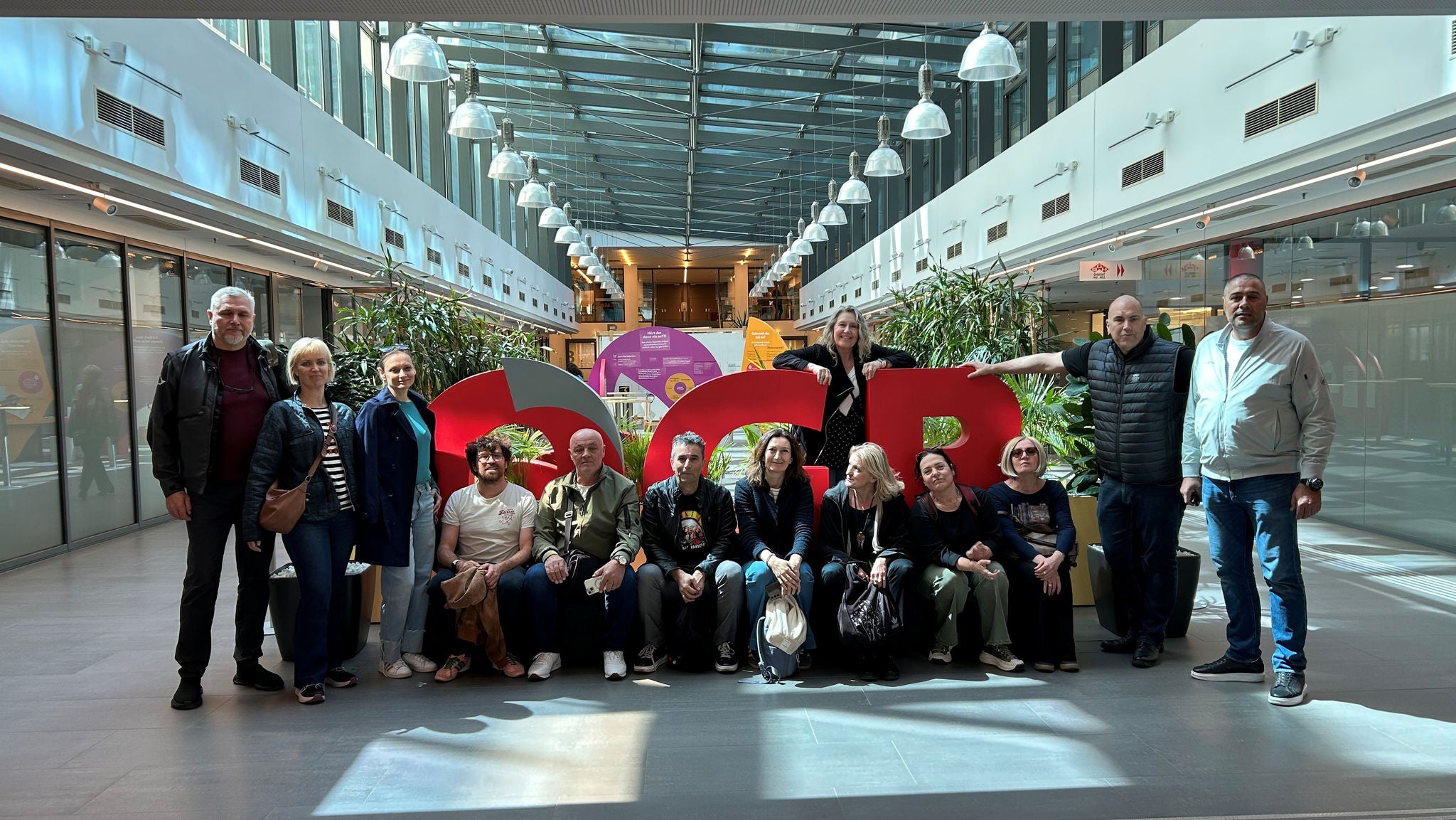
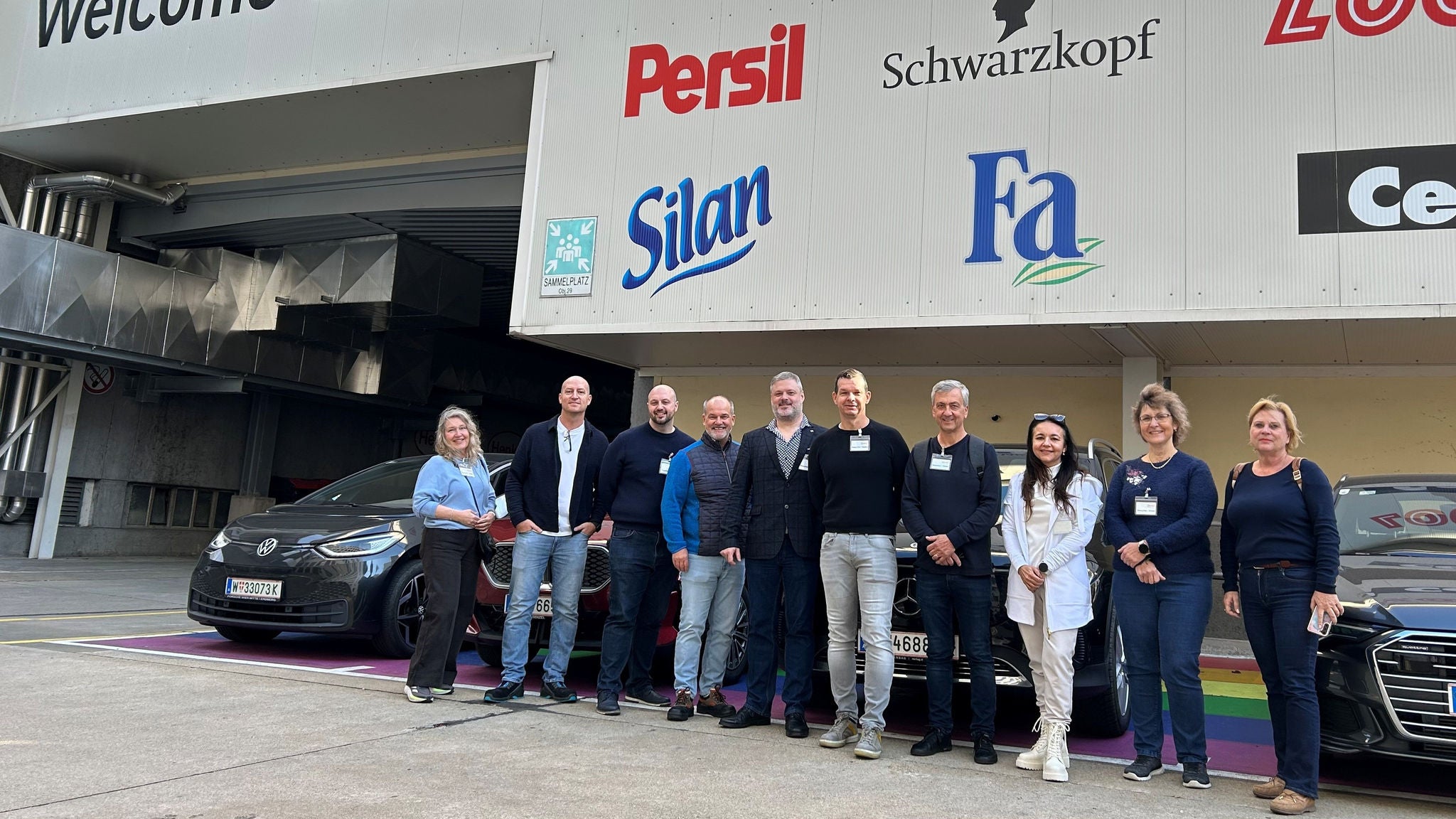
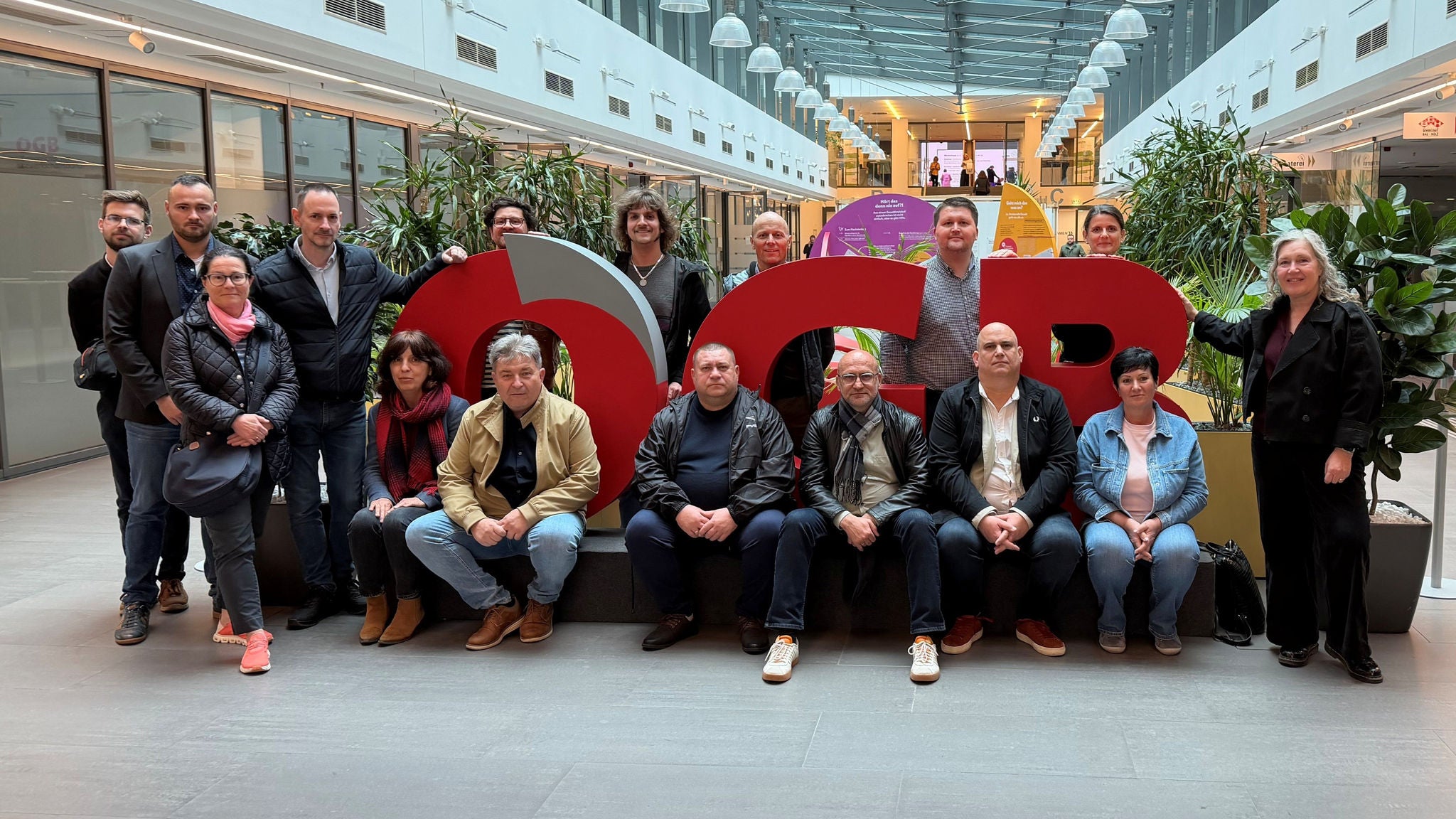
On April 20 and 21, 2026, the railway trade union of the Hungarian confederation MASZSZ and Austria’s ÖGB/vida met for an exchange of experiences as part of the EU-funded project Just Work. At the heart of the discussions was the question of how workplace participation actually functions in practice and how workers can learn from one another, cooperate, and strengthen each other across borders.
With the ongoing liberalisation of the railway sector, formerly strong working conditions are increasingly coming under pressure. Railway companies are competing against one another, while wage and social dumping are on the rise. This makes cross-border cooperation between trade unions all the more important. They face the same challenges and are fighting for good working conditions, high training standards, fair wages, and against wage and social dumping.
The meeting began with an intensive exchange on current developments in Hungary. Participants assessed these developments generally positively, though with some reservations. It was agreed to further deepen cross-border cooperation between the unions and to jointly demand the early involvement of workers’ representatives in labour-related issues in order to actively help shape future developments.
The Hungarian and Austrian colleagues also received an update on the progress of the project so far. In addition, an introduction to the Austrian trade union landscape was provided in order to better understand both the differences and the similarities between the two countries.
Shared Challenges
Both countries are confronted with similar structural issues. Regarding investment policy, participants critically noted that in the past, economic decisions with long-term consequences for railway operations had been made. Discussions focused particularly on the sustainable safeguarding and further development of public infrastructure. Austria is comparatively well positioned internationally with its framework investment plan, which budgets investments over a six-year period and thereby secures long-term investments.
Heavy Work and Early Retirement for Heavy Labour
The assessment and recognition of heavy labour (for example work under conditions of heat, cold, etc.) and the Austrian system of early retirement for heavy labour were of great interest to the Hungarian participants, as no comparable system currently exists in Hungary.
Pilot Project of MAV and ÖBB
In cross-border rail transport, locomotive drivers are usually changed at border stations. As part of a joint pilot project between the railway companies MAV and ÖBB, drivers from both companies were trained specifically for the adjacent rail sections in the neighbouring country for the first time.
With the additional certification for the neighbouring country, highly qualified drivers with the required German and Hungarian language skills are now able to operate the Vienna–Budapest route without a locomotive driver change at the border station. The project, which has been accompanied by the trade unions, represents a high training standard, prevents wage and social dumping, and follows the guidelines of the ETF, which stipulate that workers in either country must not lose out.
In addition to employment-related issues, workers’ participation also contributed to resolving many further operational questions.
The project has brought together the cross-border colleagues from Hungary and Austria very closely. What initially began as an informal digital chat group on their mobile phones is now used for the rapid exchange of work-related matters. Topics range from operational challenges to questions concerning regulations and procedures in both countries. This development clearly demonstrates how concrete forms of participation and cooperation can emerge from informal structures through the commitment of the workers themselves.
Insights into Modern Railway Operations at the Operations Control Centre
At the end of the meeting, the delegation visited the Operations Control Centre (BFZ) in Vienna-Stadlau, where they gained insight into the modern management and coordination of rail traffic. Around 3,700 trains are centrally monitored and coordinated there every day, illustrating how strongly the railway sector has been transformed by digitalisation.
At the same time, it was emphasised that people continue to play a central role despite increasing technical automation. The majority of the approximately 420 BFZ employees are dispatchers responsible for monitoring rail traffic and intervening when necessary. Technology supports their work but does not replace their responsibility or decision-making capacity.
The meeting in Vienna demonstrated that workplace participation has many dimensions – from strategic projects and international cooperation to the daily exchange between colleagues. It became particularly clear that democracy in the world of work is not an abstract concept but becomes visible through the concrete actions of workers themselves. The cross-border dialogue between Austria and Hungary contributes to the development of joint solutions against wage and social dumping and to actively shaping the future of rail transport.