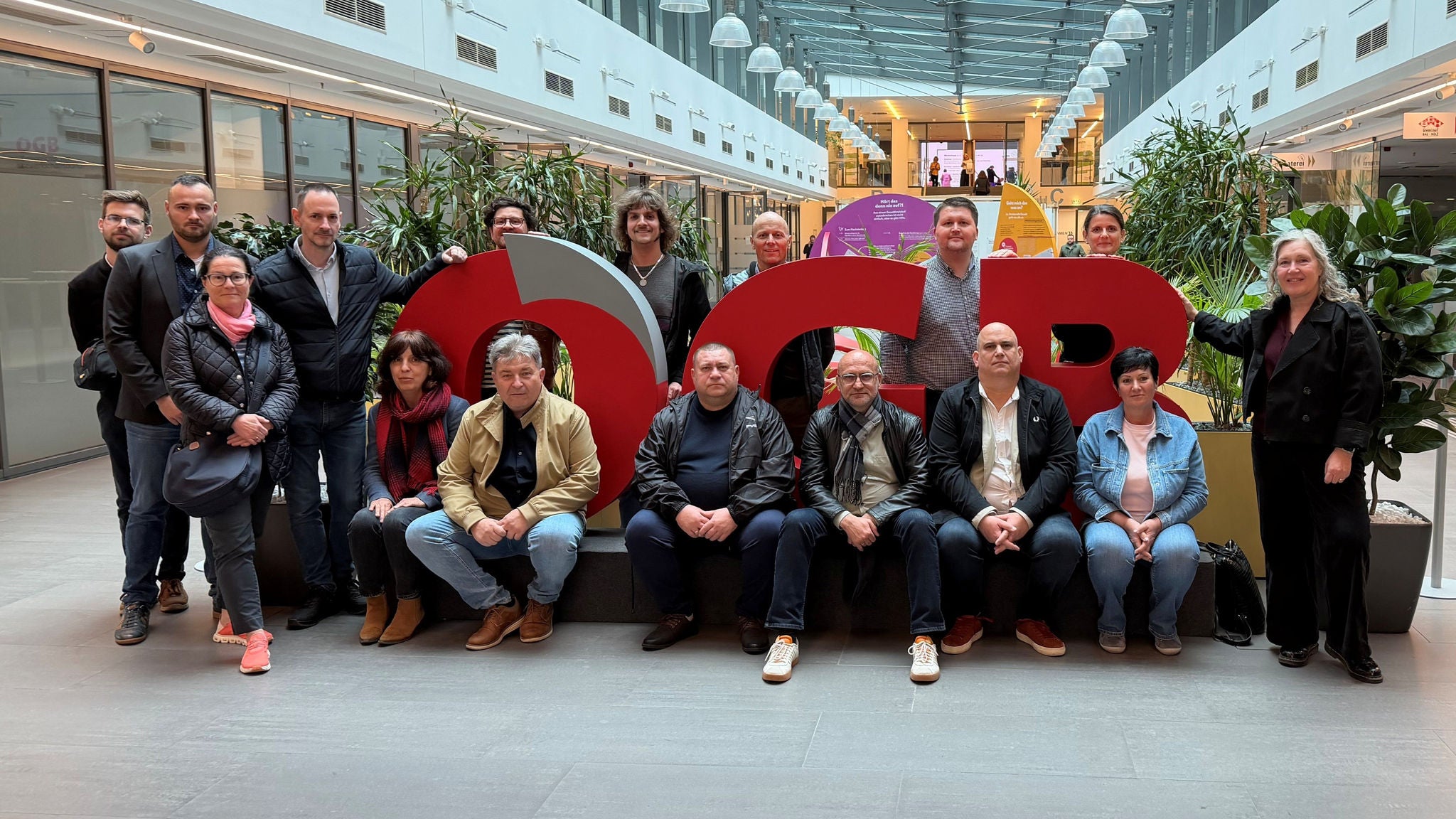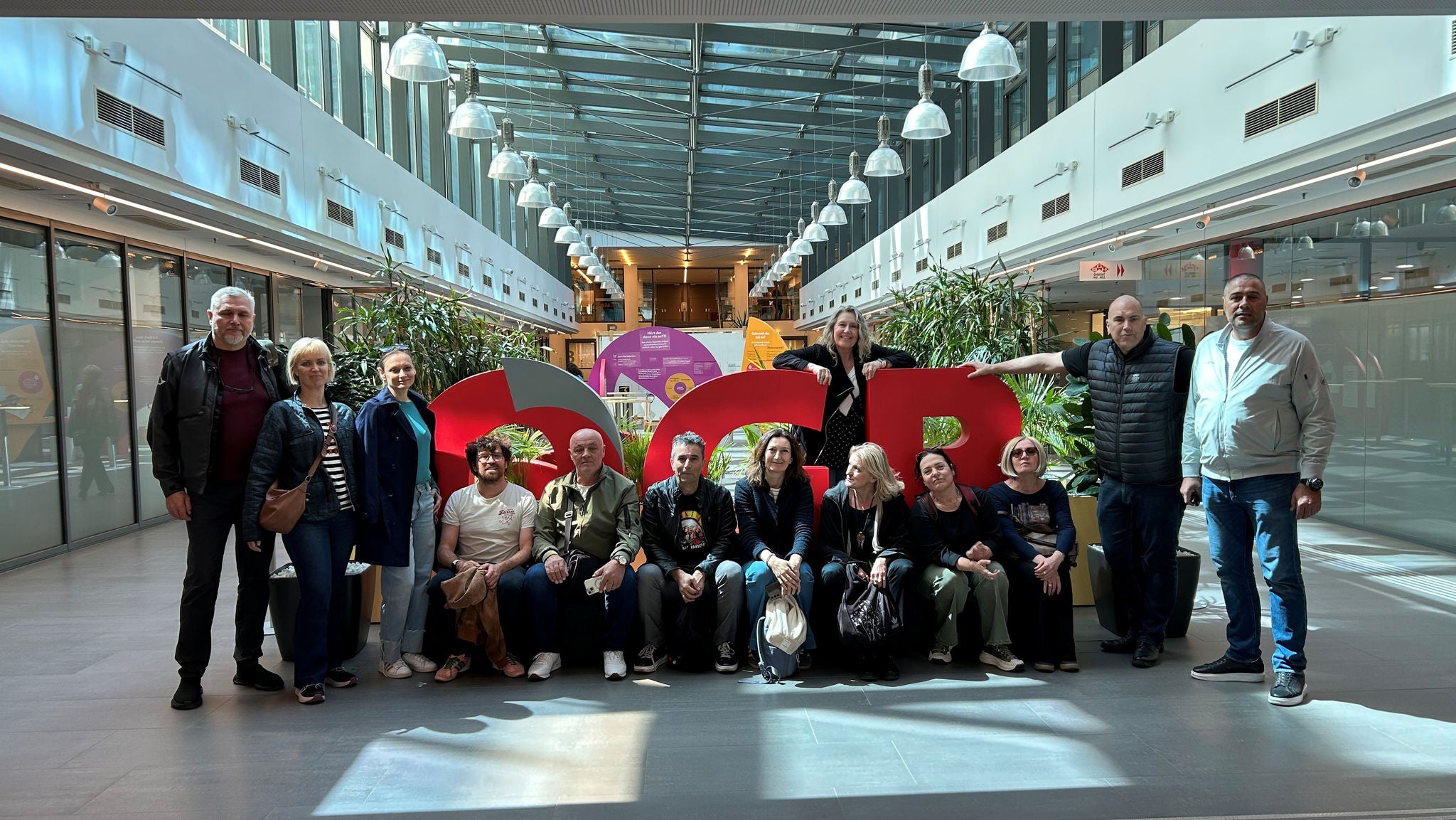
Workers’ Rights, Safety and Social Dialogue at the Heart of Branch Workshop for Construction, Woodworking and Forestry Industries
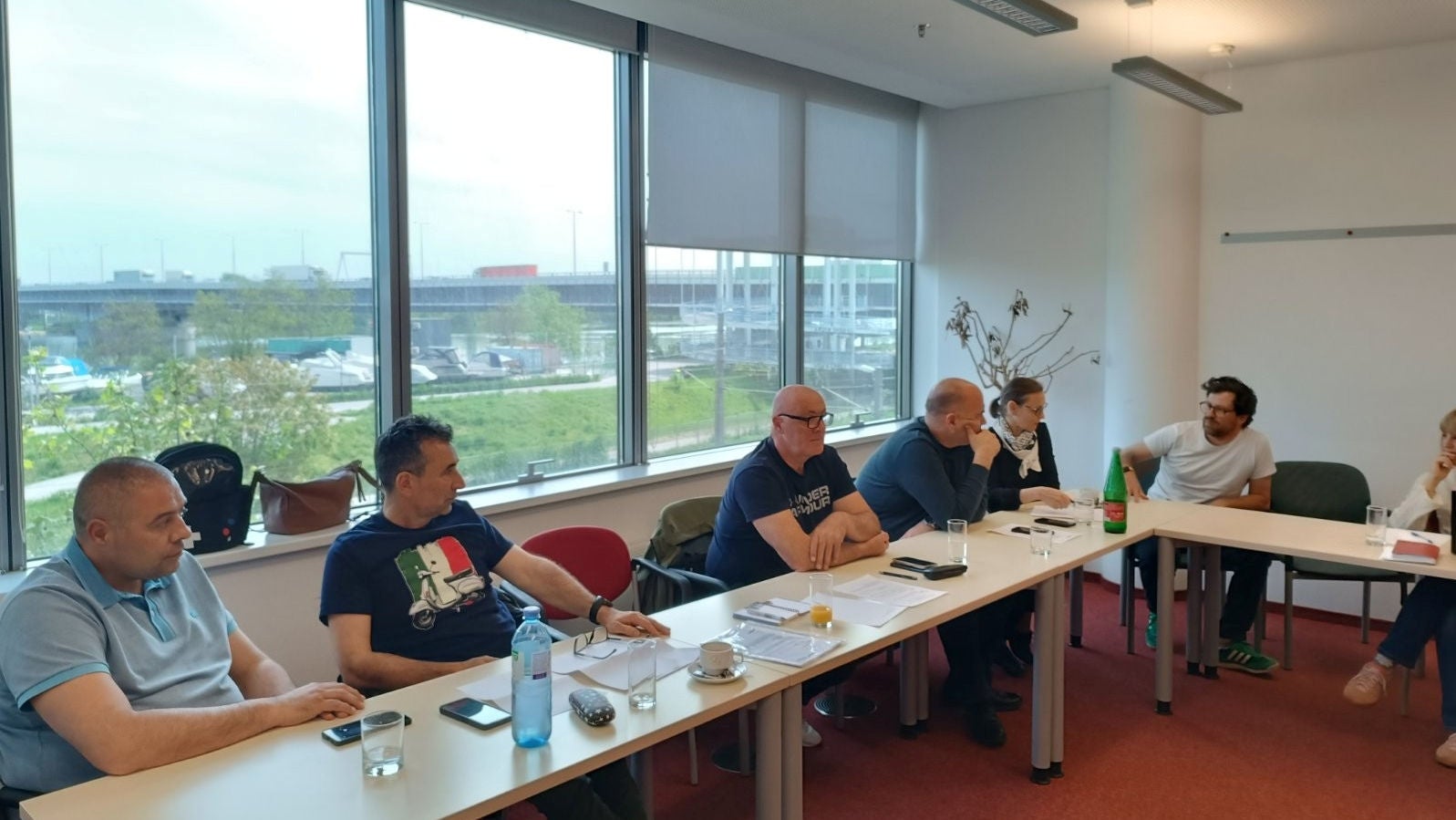
On April 28–29, trade unionists from Austria and Serbia met in Vienna for a Branch Workshop to exchange experiences on occupational safety and health, collective bargaining, social dialogue, workplace democracy and social housing. Beginning with the meaningful commemoration of International Workers’ Memorial Day, the workshop highlighted how strong trade unions and worker participation can contribute to safer workplaces, better working conditions and improved quality of life.
The two-day Branch Workshop, held on April 28 and 29 in Vienna, brought together trade unionists from the construction, woodworking and forestry sectors from Austria and Serbia to discuss issues of direct relevance to workers, including occupational safety and health, collective bargaining, workplace democracy, social dialogue and affordable housing. A particularly meaningful start to the workshop was the marking of International Workers’ Memorial Day, commemorating workers who have lost their lives or suffered injury at work.
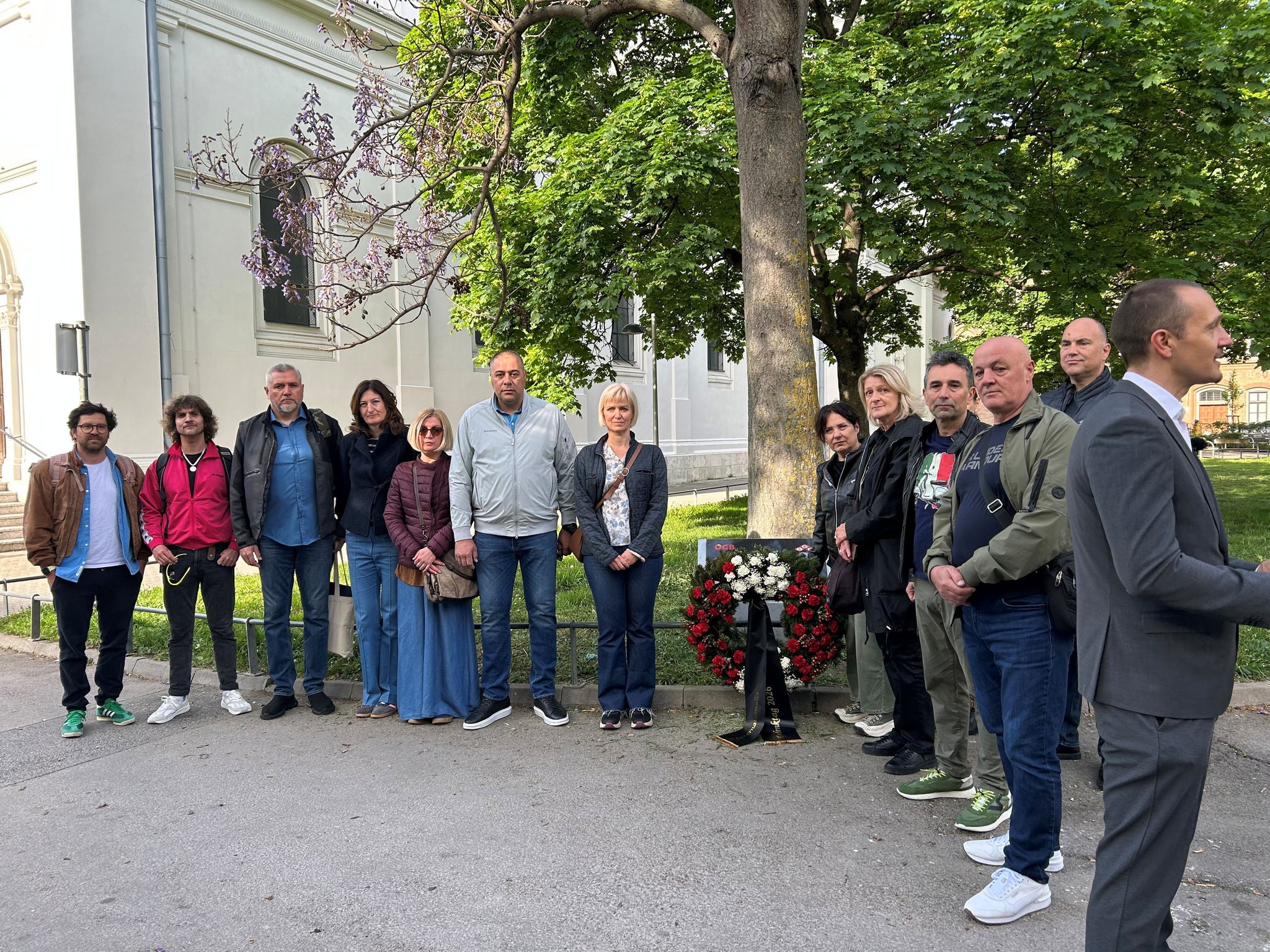
Safer Workplaces, Fewer Fatalities
Although Austria is considered one of the safest countries in the European Union in terms of occupational safety and health, an average of 64 workers still lose their lives in workplace accidents every year. The construction sector remains one of the most hazardous, with around 18 fatalities annually. With approximately 79,000 workplace injuries recorded each year, these figures demonstrate that even the most developed systems cannot eliminate risks entirely. Austrian trade union representatives presented the country’s comprehensive system of occupational safety, in which employers have clear legal obligations and violations can result in strict sanctions. Around 500 labour inspectors supervise working conditions for approximately 3.4 million employees.
Social Partnership in Practice
During the workshop, participants also learned about Austria’s strong system of collective bargaining. Around 98% of employees are covered by collective agreements, with approximately 860 agreements establishing minimum standards that are often more favourable than those provided by labour legislation. Trade unions play a central role in negotiating these agreements with employers’ associations, while Austria’s long-standing culture of social partnership has helped make constructive dialogue a cornerstone of industrial relations.
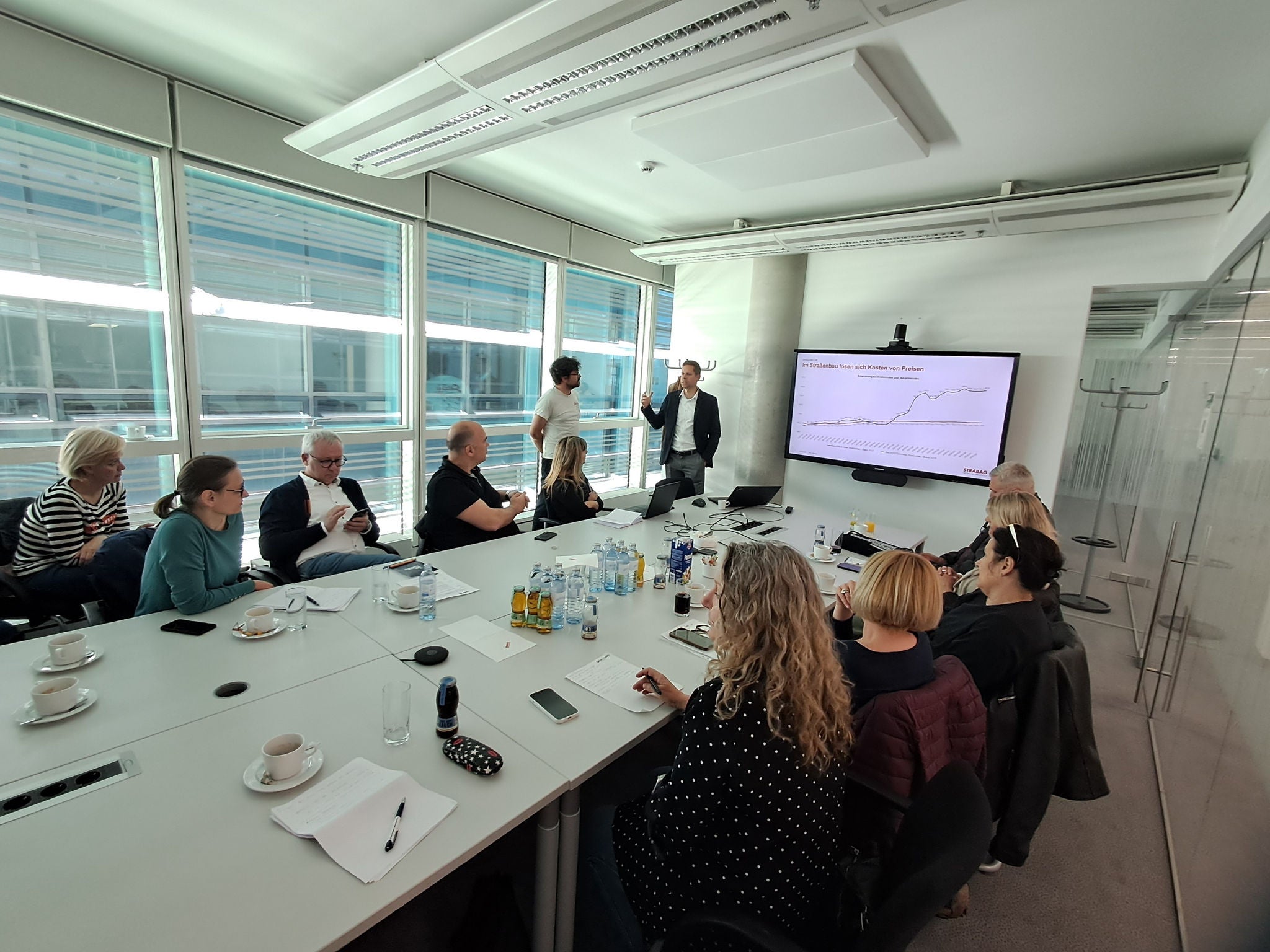
An important part of the programme was a visit to STRABAG, where Serbian and Austrian trade union representatives had the opportunity to see an example of cooperation between workers and employers and the practical implementation of occupational safety measures in a major construction company. The visit complemented the discussions on how strong worker participation and social dialogue can contribute to safer and more sustainable workplaces.
Affordable Housing, Better Lives
Social housing was also included in the programme, with the aim of presenting the direct involvement of the Austrian trade union representing workers in the construction, woodworking and forestry sectors in social housing projects. Austria, and particularly Vienna, has developed one of the world’s most successful models of social housing. The system has enabled the construction of around one million social housing units, providing homes for approximately three million people. The Austrian trade union movement plays an important role in advocating for affordable housing for workers and in cooperating with non-profit housing organizations and other stakeholders. The visit and presentation offered participants an opportunity to better understand how trade union engagement can contribute not only to better working conditions, but also to improving workers’ living conditions.
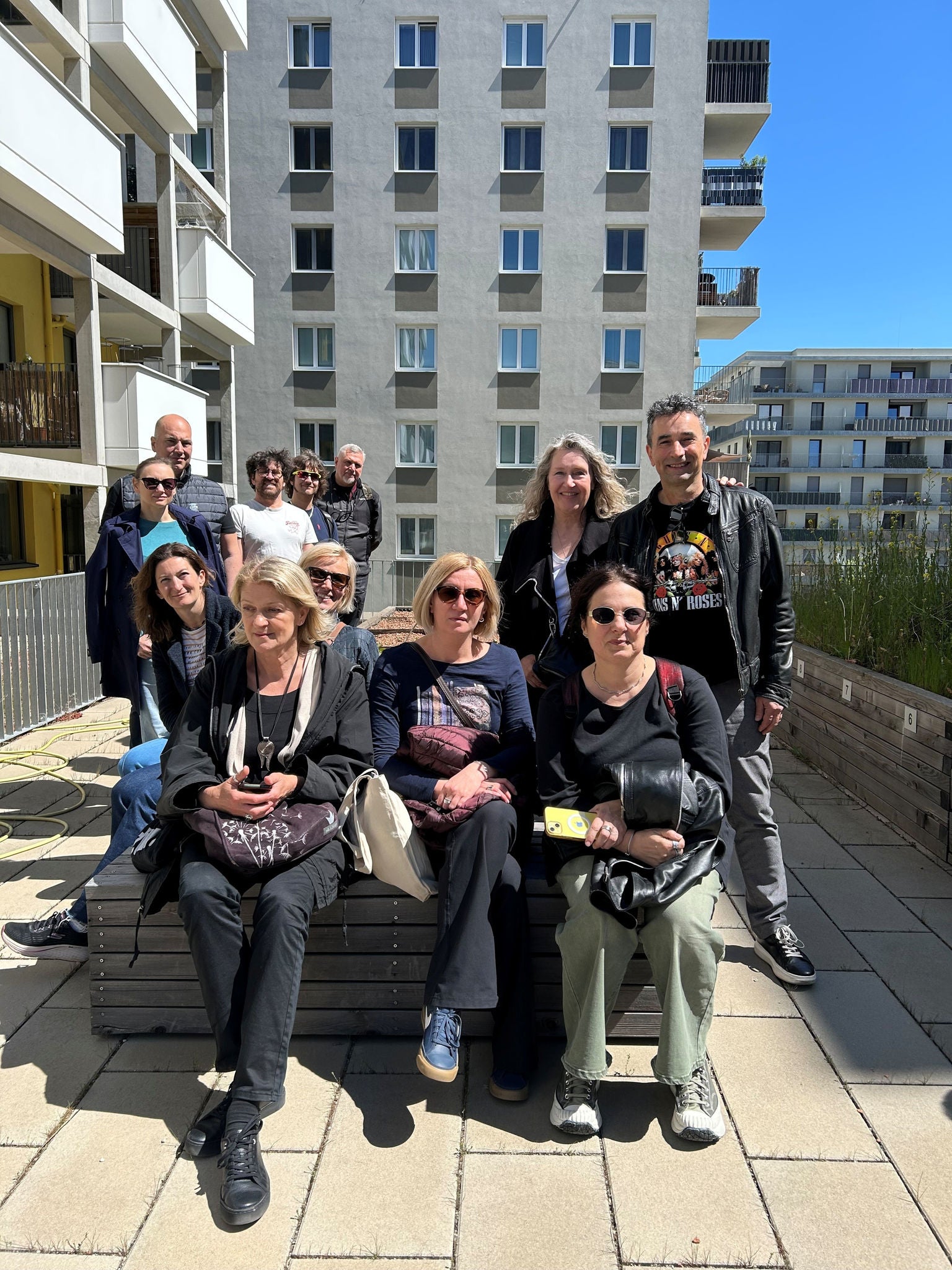
For the trade union representatives from Serbia and Austria, these examples provided valuable opportunities to exchange experiences and consider possible solutions in their own countries. The discussions demonstrated that strong worker representation, collective bargaining, occupational safety and affordable housing are closely connected with the quality of working and living conditions.
The workshop was organized within the framework of the European project JUST WORK, implemented by trade union confederations from Austria, Bulgaria, Serbia, Slovenia, Hungary and Moldova. The project aims to strengthen workers’ participation in decision-making, promote workplace democracy and foster constructive social dialogue between trade unions and employers. The exchange of experiences during the two-day workshop reaffirmed that empowered workers and strong trade unions remain essential for building safer, fairer and more socially sustainable workplaces and communities.